Fermentation
Dark tea is transformed by microbial fermentation during processing and aging. This is different from black tea, which is primarily shaped by enzymatic oxidation before drying.
 Vevien's Cultural Hub
Tea, Culture & Community
Vevien's Cultural Hub
Tea, Culture & Community
Tea Knowledge
True tea comes from Camellia sinensis, but its character is shaped by processing, region, aging, brewing, and the people who share it. Here is a clear, grounded introduction to Chinese tea and Liubao dark tea.
Start Here
Tea is often introduced through flavor, but it also carries agriculture, craft, hospitality, trade, memory, and ritual. A cup can be quiet and everyday, while still holding a long cultural story.
In Chinese tea language, "dark tea" is not the same as the Western category called black tea. Dark tea refers to post-fermented tea, while Western black tea is usually called red tea in Chinese.
Featured Tea
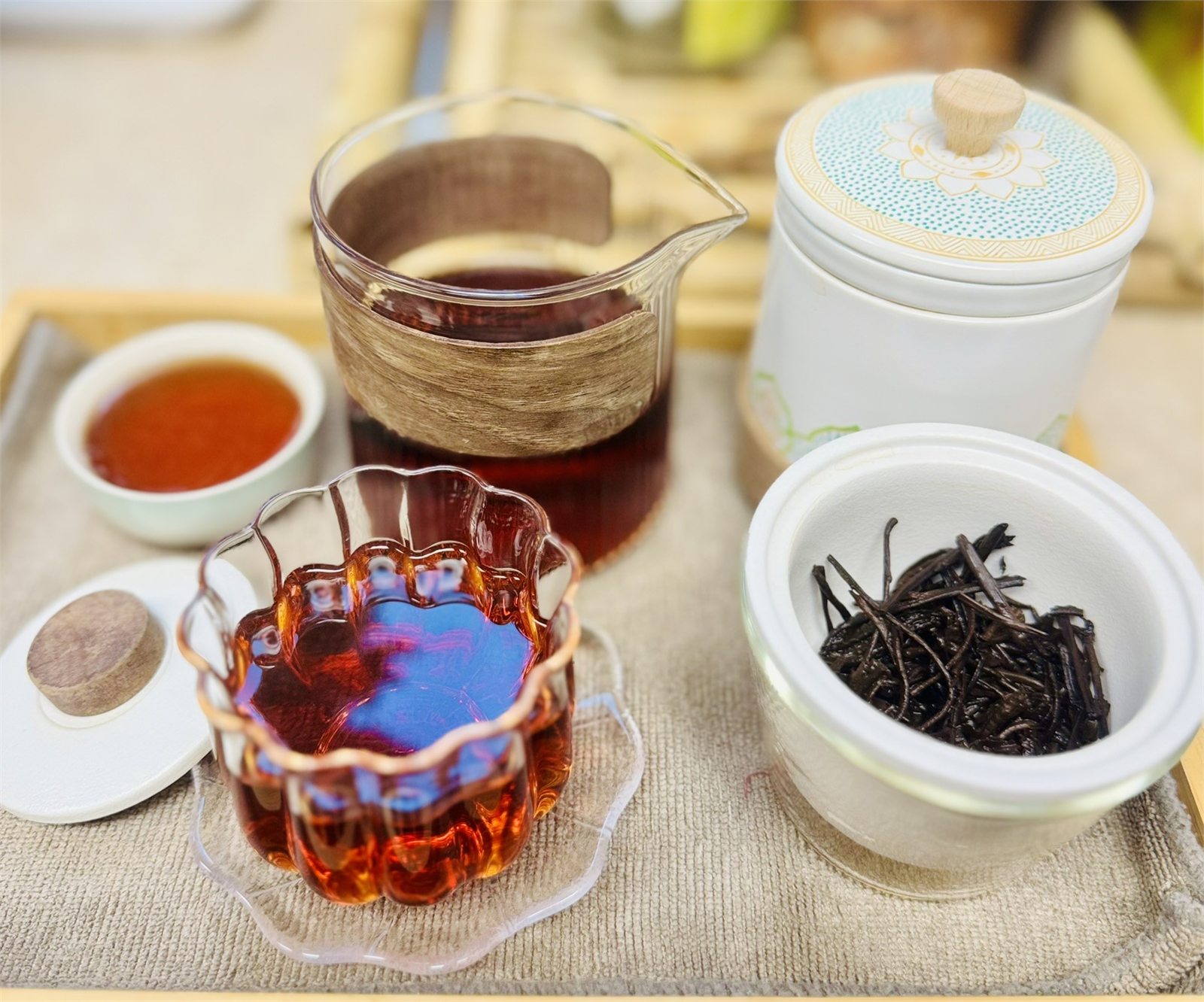
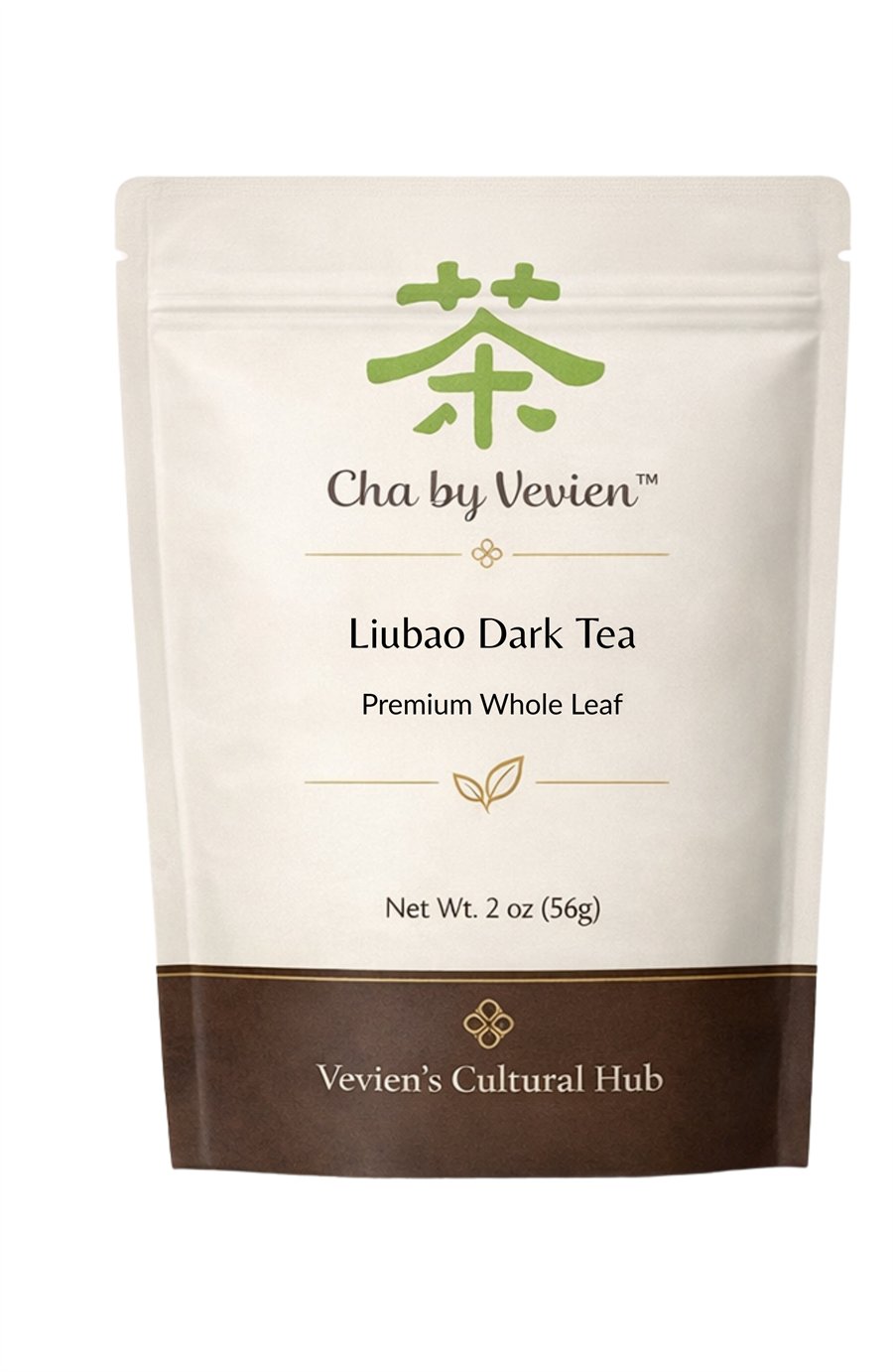
Liubao tea is a traditional Chinese dark tea associated with Wuzhou in Guangxi, China. It belongs to the hei cha family of post-fermented teas, where microbial activity during processing and aging helps shape the tea's color, aroma, texture, and taste.
Many people enjoy Liubao for its smooth, earthy, woody, and mellow character. It is especially suited to moments when you want a cup that feels warm, settled, and easy to return to.
Tea Science
Good tea education should be beautiful and accurate. These notes keep the science honest while leaving room for culture, taste, and personal experience.
Dark tea is transformed by microbial fermentation during processing and aging. This is different from black tea, which is primarily shaped by enzymatic oxidation before drying.
Tea naturally contains caffeine. Processing category alone does not precisely predict caffeine; cultivar, leaf maturity, serving size, water temperature, and steep time all matter.
Liubao's earthy, woody, mellow flavor comes from tea material, processing, post-fermentation, storage, and brewing choices. A clean dry storage environment helps preserve quality.
Brewing
Liubao is forgiving. Start with these methods, then adjust based on your cup, your water, and your taste.
Start with Cha by Vevien™ Liubao Dark Tea, explore Tea Academy, or reach out about tea experiences and partnerships.